Friday, December 22, 2017

Holiday Greetings


----
Holiday Greetings
// Deja View


I don't know how far these marvelous Christmas cards by Mary Blair date back, my guess would be the 1960s. Her flat style with its geometric shapes reflects a mid-century modern style, but by now it looks timeless to me, because of its ultimate appeal.

I love the character illustration in this add. Minnie Merrell made somebody happy with a one year subscription gift for Walt Disney's Comics and Stories way back in 1939 or 1940.
If current representations of the classic Disney characters could look only half as charming.


Disney background painter Ralph Hulett created this beautiful nativity illustration. Hulett was a prolific watercolor artist, but he actually felt comfortable with the use of any type of paint. I presume this painting is acrylic.


Images Heritage Auctions

For more of Hulett's Christmas art go here:


----

Read in my feedly


Sent from my iPhone

How to Paint Sunlit Snow


----
How to Paint Sunlit Snow
// Artist Daily

Painting snow is not as simple as applying white to a composition. You must capture the unique shadows, lights and colors to create a realistic snowy scene.

The post How to Paint Sunlit Snow appeared first on Artists Network.


----

Read in my feedly


Sent from my iPhone

Here is a Limited Palette Experiment You Need to Try


----
Here is a Limited Palette Experiment You Need to Try
// Artist Daily

A limited palette may seem like a crutch at first, but artist Kathleen McDonnell shows us just how diverse our work can be using less.

The post Here is a Limited Palette Experiment You Need to Try appeared first on Artists Network.


----

Read in my feedly


Sent from my iPhone

Sunday, December 17, 2017

Some Santo Mexican Lobby Card Stocking Stuffers


----
Some Santo Mexican Lobby Card Stocking Stuffers
// 13

Well, I was trying to make some Tabonga Chuckles, but, Photoshop was totally screwing with me and I don't have time to try and figure out what's wrong, so, here's my Plan 9 for today's post!.. That's right, Santo and some of the many villains he clobbered throughout the years!

In SANTO CONTRA EL ESTRANGULADOR, our hero battles an insane strangler that's after his friends. What's up with those musical notes on the poster? Well, watch the flick and find out!

SANTO CONTRA LAS MUJERES VAMPIRO has a professor recruiting Santo to protect his daughter from vampires intent on kidnapping her and marrying her to the devil!

In SANTO Y BLUE DEMON CONTRA DRACULA Y EL HOMBRE LOBO, our heroes tangle with good old Dracula and his wolfman backup, lots of insane fun here!

SANTO CONTRA LA HIJA DE FRANKESTEIN is another wild movie, a mad female scientist needs Santo's blood for a youth serum, and she has Frankenstein's reliable monster to help her get it!

In SANTO Y BLUE DEMON CONTRA LOS MONSTRUOS, our wrestling buddies battle a mad doctor and his army of reanimated monsters, in order to save the world from the madman's insane invasion... I love it, my best monster pal, OOK!, is there on the right side of the poster!

Our hero is back in SANTO EN LA VENGANZA DE LAS MUJERES VAMPIRO for another 12 rounds of brutal action as he once again kicks ass and takes no vampire names!

It's even more vampires in SANTO EN EL TESORO DRACULA. This time, Santo invents a time machine (what the Hell!) and uses it to find the hidden location of DrĂ¡cula's treasure, and must hunt down the bloody vampire and stomp him a goodern!

Love this poster for SANTO EN EL HOTEL DE LA MUERTE!.. Of course, there's mystery, murder and suspense in the creepy old Hotel Of Death! Oh, and hot chicks in their see-thru nighties!

Wolf (NEUTRON) Ruvinskis also stars as the head Martian in SANTO EN LA INVASION DE LOS MARCIANOS. You got it, the Martians come to Earth to try and take it over, Santo foils them!

Our last card is for SANTO CONTRA LOS ZOMBIES. This time, Santo battles an evil scientist who has created a race of zombies to take over Mexico! Tune in again tomorrow for more wild 'n' weird Dungeon X-Mas Cargo!
----

Read in my feedly


Sent from my iPhone

Sargent's "Signet" Palette


----
Sargent's "Signet" Palette
// Gurney Journey

Curators at the Harvard Art Museum have completed their study of one of John Singer Sargent's palettes, which was given to the Signet Society.

The palette still contains a lot of paint, and it's arranged in the normal way for a 19th century painter. The colors start with a large amount of white forward of the thumbhole, and proceed through the yellows, reds, browns, blues, greens and black at the back, or far left in this photo.

UV illumination reveals two kinds of white paint: lead and zinc. It also shows "numerous droplets of resinous material which fluoresces orange in UV, scattered predominantly around the white paint, and one reasonably large blob of wax on the palette surface."

The colors include vermilion, red lake, red ochre, yellow ochre, cadmium yellow, a green containing chromium, Prussian blue, cobalt blue, ultramarine, and umber. Observers watching him work said his colors were piled in "miniature mountains," and they were the ones in ordinary use, the earth colors predominating.

Although Sargent kept his brushes meticulously clean, he was not as scrupulous about keeping the colors on his palette separate from each other. The paint is mixed in the areas where the paint was squeezed out, rather than keeping the edge-colors distinct, as some painters do.

The palette was re-used without full cleaning, as revealed "by a darkened paint layer underneath the top layer, especially visible beneath the white paint."

Some of the paint is flattened from having something put on top of it before it was fully dry. One of the red pigments has a surface of paper applied to it, presumably to keep the paint active longer.

Julia Heyneman, a contemporary of Sargent, wrote that his palettes were weighted. The weight (probably lead) appears on the underside of the palette (lower left of image above), which is made of a double-thick layer of wood. There is also a metal fence made of zinc clipped to the edge of the palette that would touch the artist's left sleeve, preventing the paint from getting on Sargent's sleeve.
-----
Sources
2017 Newsletter of the Signet Society of Harvard College
Pall Mall Gazette, 1907, Volume XXXIX, pages 643-651
Previously on GJ: Palette Arrangements
See Also: Another palette Harvard collection reputedly used by Sargent.
----

Read in my feedly


Sent from my iPhone

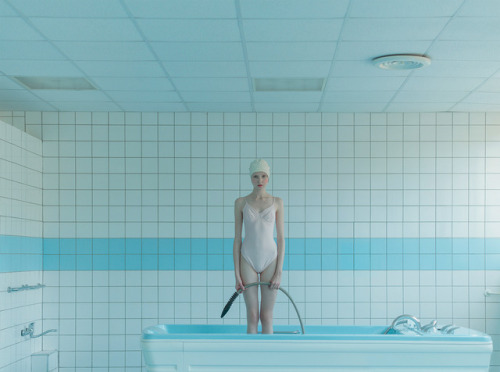
Splish, Evelyn Bencicova


Sent from my iPhone

Saturday, December 9, 2017

Artist of the Month: Frederick Remington


----
Artist of the Month: Frederick Remington
// Muddy Colors

Dash for the Timberline 1889

My drawing is done entirely from memory. I never use a camera now. The interesting never occurs in nature as a whole, but in pieces. It's more what I leave out than what I add.
-F. Remington


Those of you in the New York area only have less than a month to get to the Metropolitan Museum of Art to see the exhibit of the famous American western artists, Frederick Remington.

If the idea of Old Wild West is a story, then Frederick Remington is the illustrator of that story.

As America exited the Civil War and began to expand westward in the second half of 19th century young Frederick Remington (1861-1909) was the heir to the Remington Arms company which had made his family a fortune during the war. Frederick grew up in New York and attended Yale University Art School in Connecticut, decidedly not the frontiersman of the wild west.

Stampede 1908
After the death of his father Remington dropped out of Yale and, and began traveling on his family's fortune, and ended up in 1880's in the frontier of the American West. Following the buffalo herds, listening to the stories of the trappers and the ranchers and the Native American tribes that were being moved to new reservations he became deeply enamored with the mythology and beauty of the lifestyle of the frontier sketching and painting the world he saw trying to capture this disappearing landscape for posterity. In 1886 Frederick returned to New YorkCity, enrolled at the Art Students League to sharpen his unfinished art school training, and to become a professional artist and illustrator in the new booking publishing world, hungry for tales and pictures of the"Wild West".

By 1890 Remington's exciting and authentic paintings and drawings of the West had become extremely well received capturing the drama and excitement of the West, and he and his new family move to the suburbs of Manhattan in New Rochelle to set up home and studio. That same year In 1890 ironically, the American Secretary of the Census declared the American Frontier Closed. Three years later at The Columbian Exhibition in Chicago it was said: "…the conquest of the western frontier as the nation's formative experience, which had shaped the nation's character and values. Western expansion accounted for Americans' optimism, their rugged independence, and their stress on adaptability, ingenuity, and self reliance."

Lone Wolf 1909
By the 1890's Remington's style had gone out of style and he had difficulty getting work into the Academy, was bored by illustration jobs and was dropped by Harpers in 1900. Remington famously burned a large portion of his work in a bonfire in disgust. This lull allowed the artist to pursue bronze sculpture, writing and the running of the family business until his death.

Remington had been the last of the real western artists of the American frontier and captured a pathos and history of not just the settlers but also the native people who lived, worked and died in that land. Later artists like NC Wyeth would follow in the footsteps of Remington but the West was gone, and just the legend remained.

The inclusion of a retrospective gallery exhibition at The Metropolitan Museum demonstrates a paradigm shift in what contemporary curators of Museums are considering influential in American Art history. Just a generation ago works by Remington and his contemporaries were almost nowhere to be seen in the major museums, today they often hold central pride of place in their galleries. Additionally, alongside works by "academic" artists like Remington museums have begun to juxtapose native American pottery and textile work along side frontier folk-art. This wider view gives a better perspective to the period that was so transformative and controversial in the history of America.


From: The Metropolitan Museum of Art
Exhibition Overview

The legacy of the enduringly popular American artist Frederic Remington (1861–1909), chronicler par excellence of the American West, is presented through some 20 paintings, sculptures, works on paper, and illustrated books from the late 1880s until his death. Although he lived and worked on the East Coast, Remington traveled extensively. His insightful depictions of trappers, Native Americans, cavalry, scouts, and, above all, his archetypal cowboys are some of the most iconic images of the Old West.


A Gallery of Frederick Remington Works:


----

Read in my feedly


Sent from my iPhone

Tuesday, December 5, 2017

The TOHO FIFTIES HORROR And SCI-FI MOVIES


----
The TOHO FIFTIES HORROR And SCI-FI MOVIES
// 13

Welp, heute wir haben eine look at the Toho fifties horror and sci-fi movies, as the title suggests. Man, what a pile of terror we have here, tons of fun for us kids. I never saw any of these at the theater, but, they were shown on TV starting in the late fifties... All the posters are the original Japanese releases.

We start with GODZILLA, KING OF THE MONSTERS from 1954! This movie is brutal, no comedy here. The part that really got me was the doctor and his oxygen destroyer and how he became a victim of his own device!!

There is also a flick called THE INVISIBLE MAN from 1954 but it's actually a drama with clowns, so, I did not included that one.

Then, we have GODZILLA RAIDS AGAIN from 1955. In this one Godzilla awakes from his slumber after being packed in ice on an island and has to fight another giant monster, the mighty Ankylosaur that appears again in other Godzilla movies.

Also in 1955, Toho releases HALF HUMAN, a story about abominable snowmen on an island that are targeted for circus attractions! Unfortunately, the son of the monster is killed and things go south for the effing humans!

RODAN, one of my avatars, hit the big screen in 1956, what a wild flick! To me, one of the most shocking parts were those prehistoric insects and the creepy noises they made. Rodan and his egg laying mate were giant mutant Pterosaurs from inside a volcano!

Wow, THE MYSTERIANS form 1957 was amazing, all kinds of awesome futuristic hardware was used on both sides of the battle! Eegah!! and I saw this one on TV for the first time in 1960 when we were vacationing at my relatives house in the Valley Of The Moon in Northern California. Just love that giant robot to death!!

Talk about creepy, well, THE H-MAN from 1958 totally creeped me out the first time I saw it. When those poor sailors board the ghost ship and discover H-Men that dissolve humans into a mass of glowing atomic goo, like, yikes!!

VARAN THE UNBELIEVABLE also came out in 1958, back to black and white. Varan had the most spikes of any other giant monster at the time. Damn, I'd hate to have to ride him anywhere!! Stars good old Myron (THE UNEARTHLY) Healey.

Last on the list is BATTLE IN OUTER SPACE from 1959. Here, Japanese spacemen fight off invaders from space and end up on the Moon where they encounter a bunch of mini creatures!! So, there you go, the fifties Toho monster movies, join us agin on Wednesday for another neato installment from, The Dungeon!
----

Read in my feedly


Sent from my iPhone

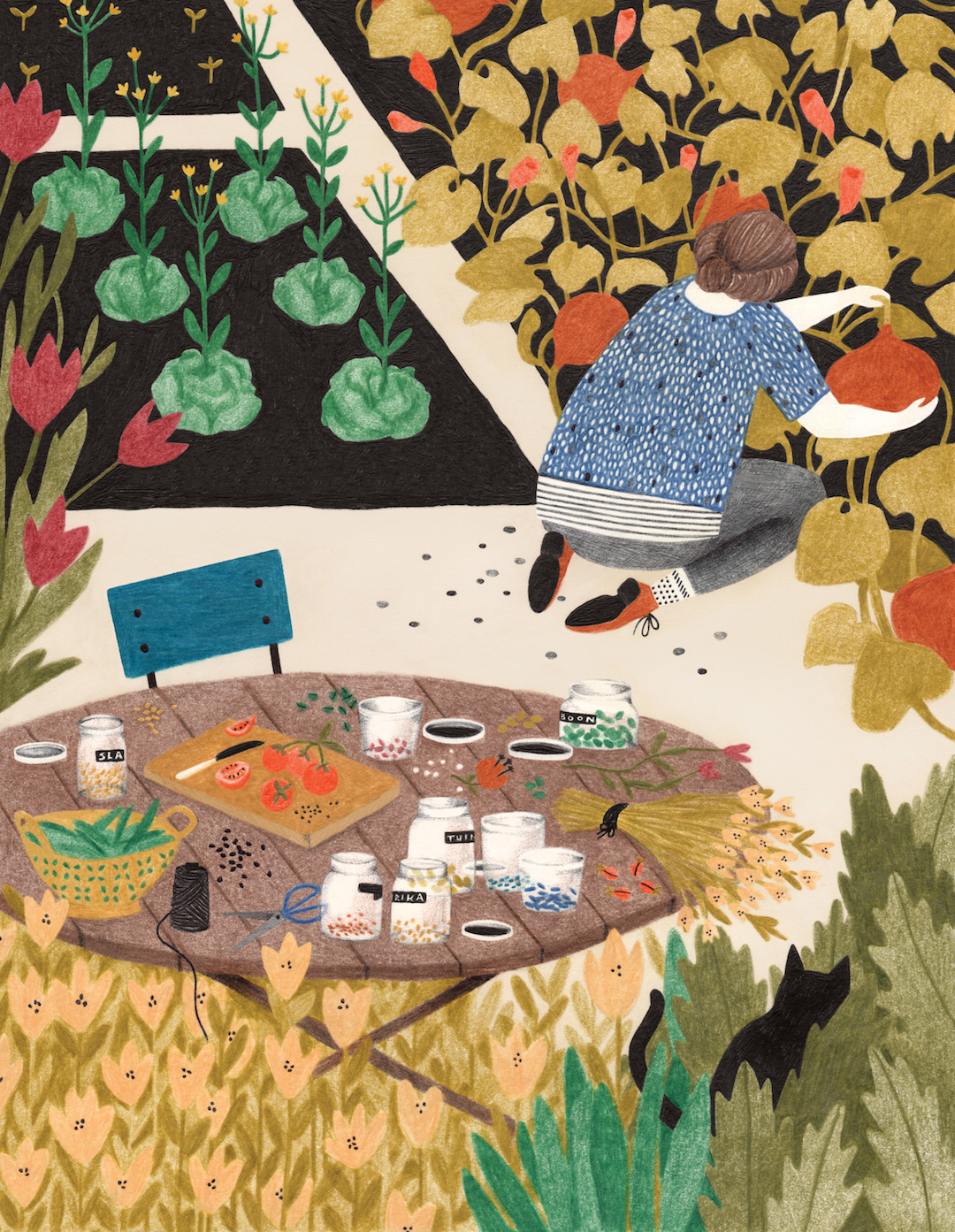
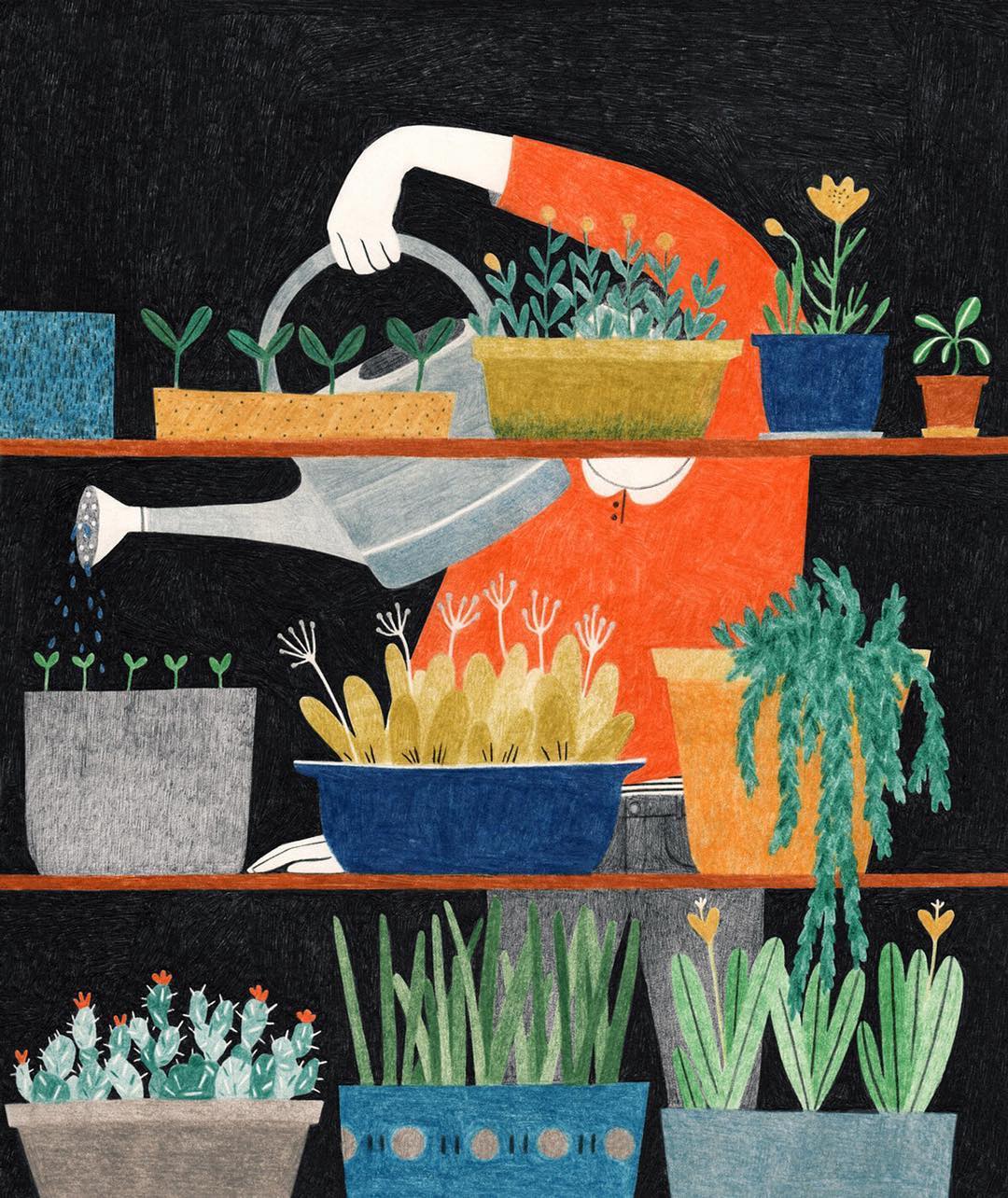
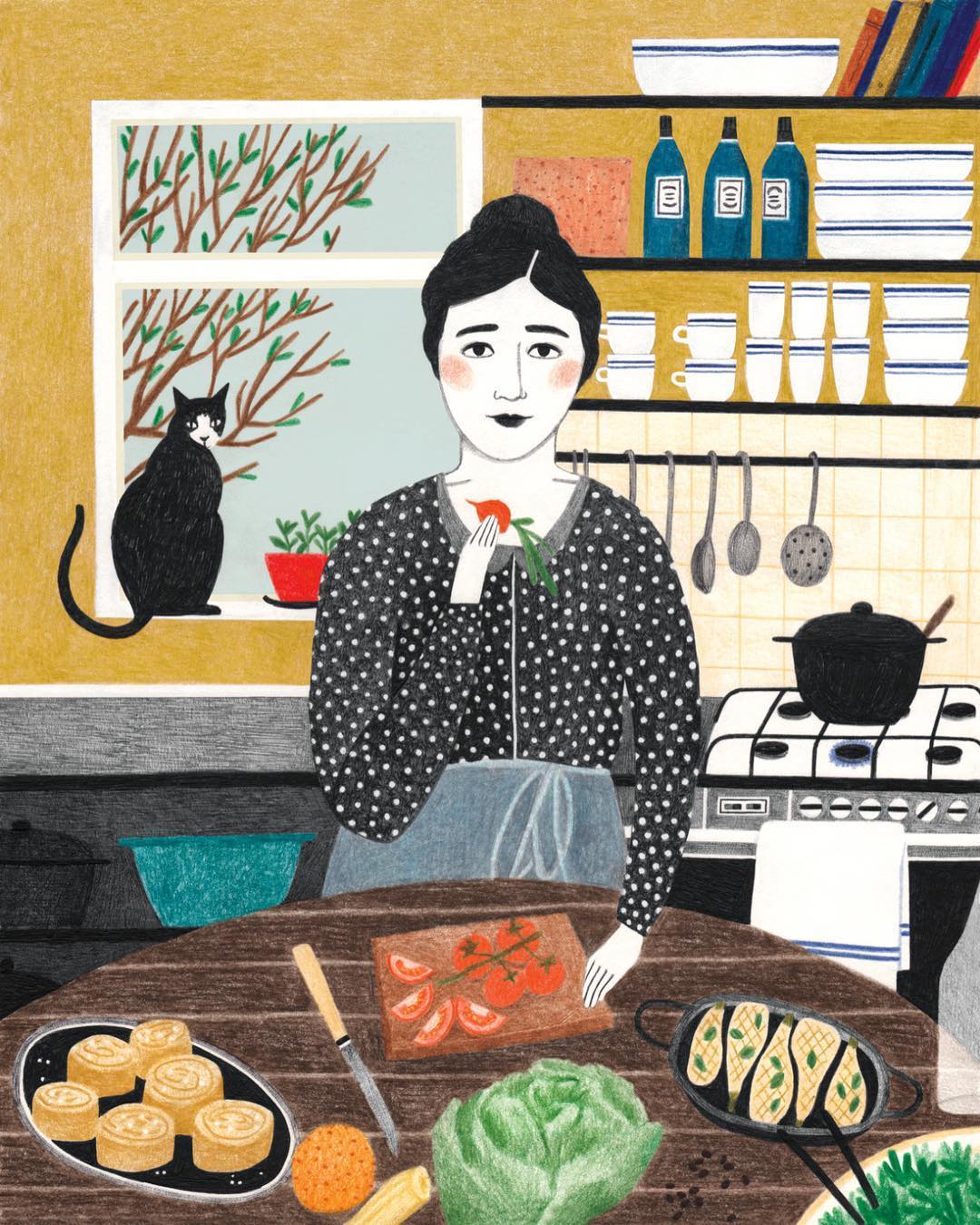
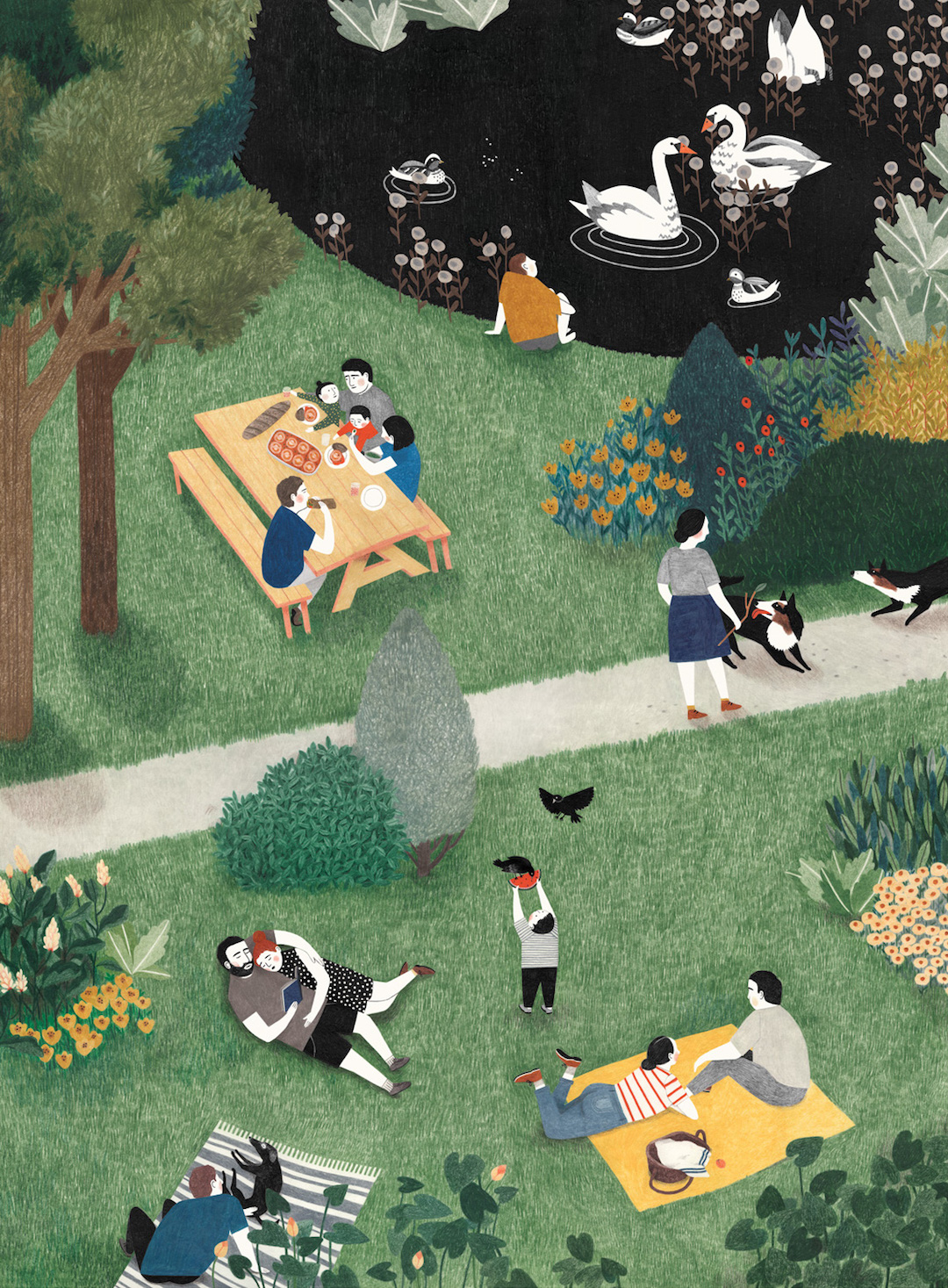
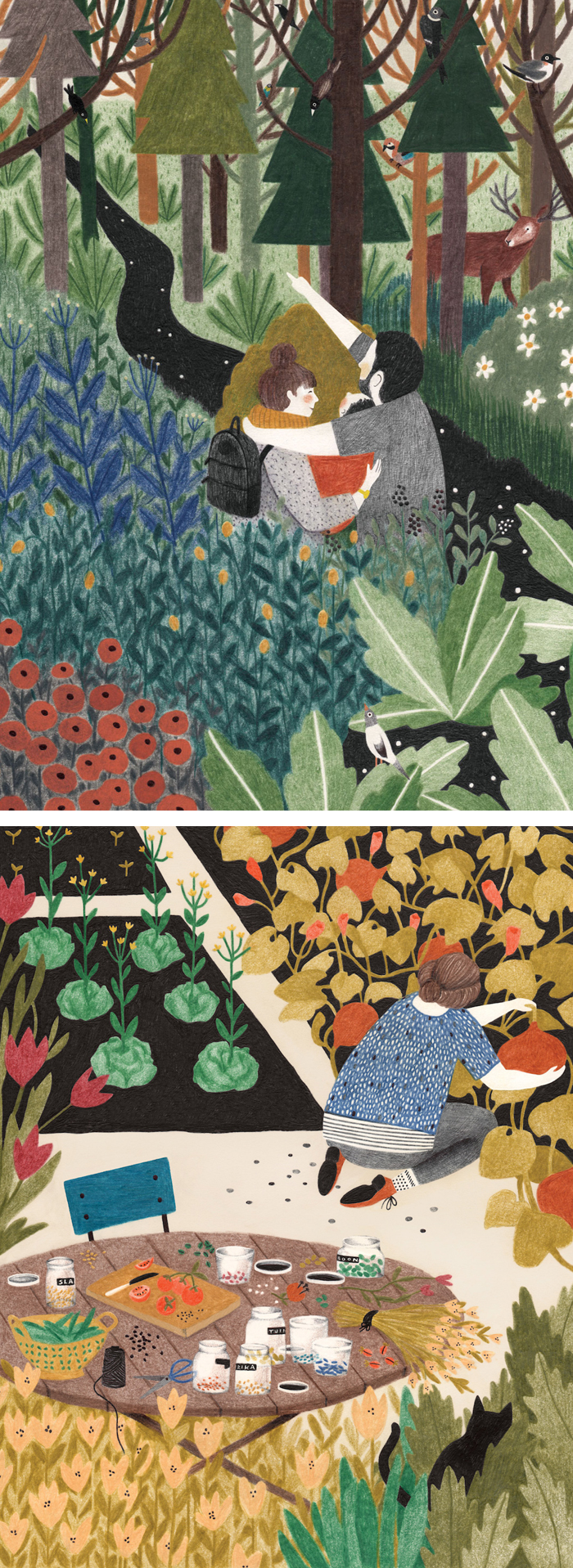
Colored Pencil Illustrations Highlight the Simple Beauty of Everyday Life


----
Colored Pencil Illustrations Highlight the Simple Beauty of Everyday Life
// Brown Paper Bag

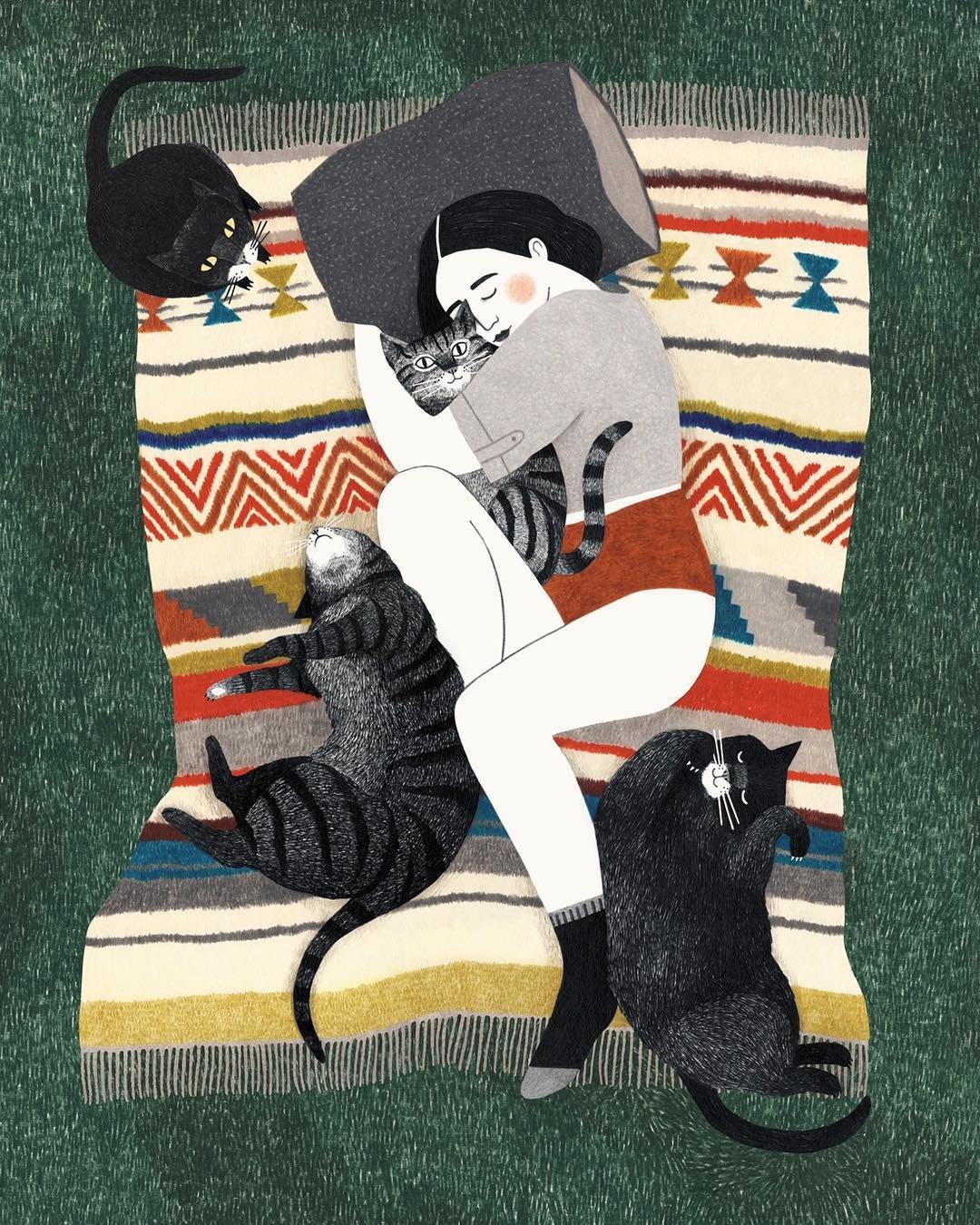
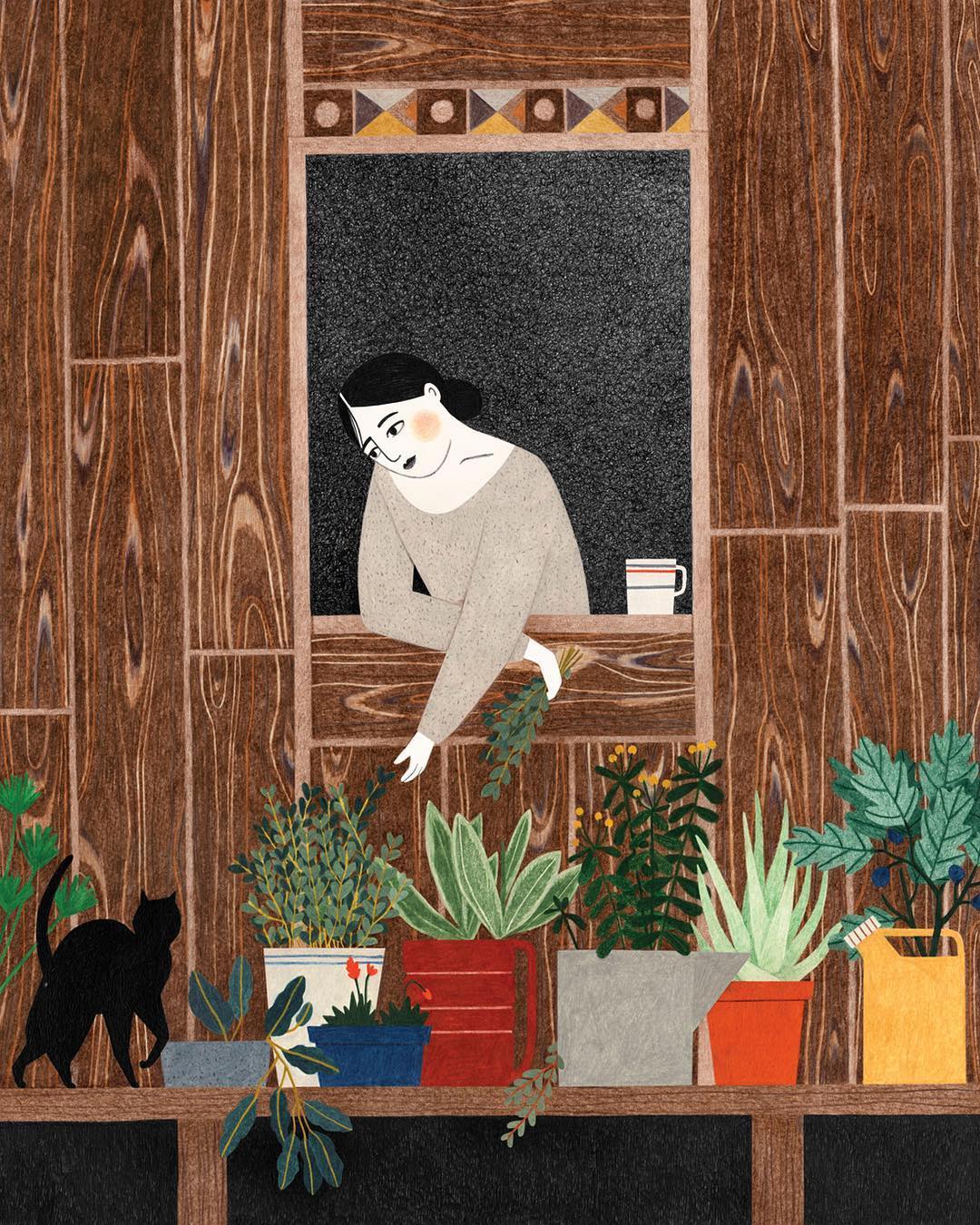
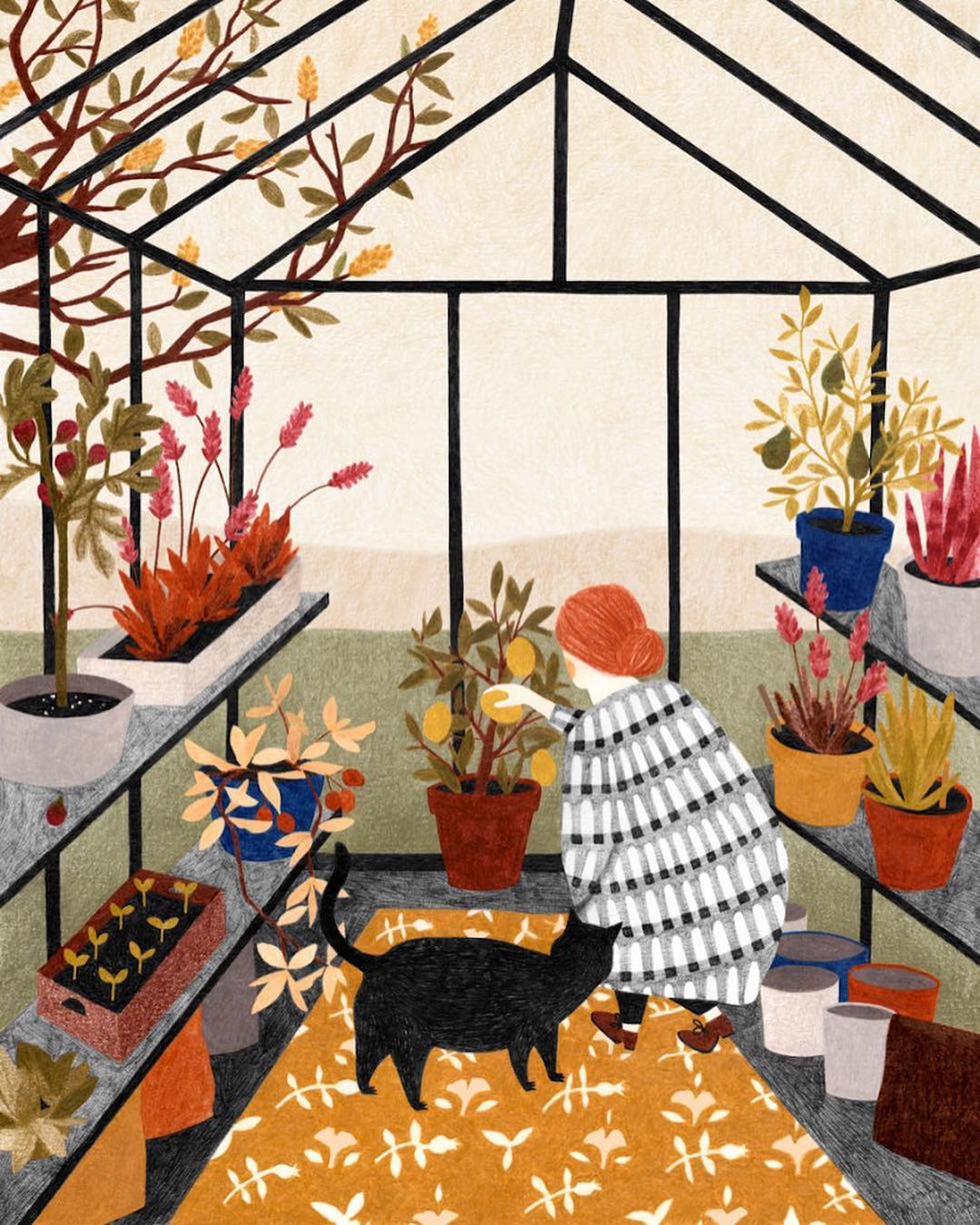
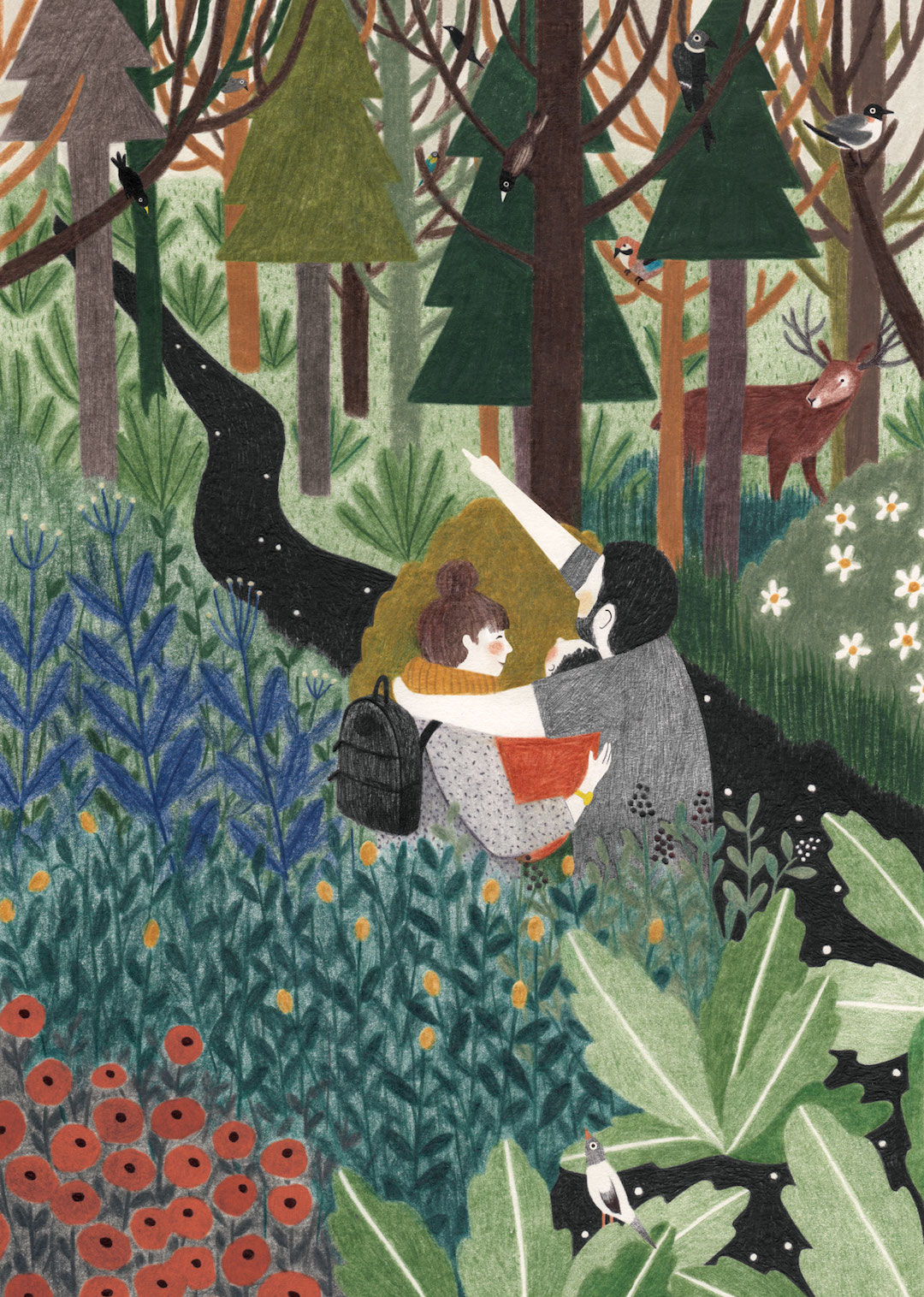
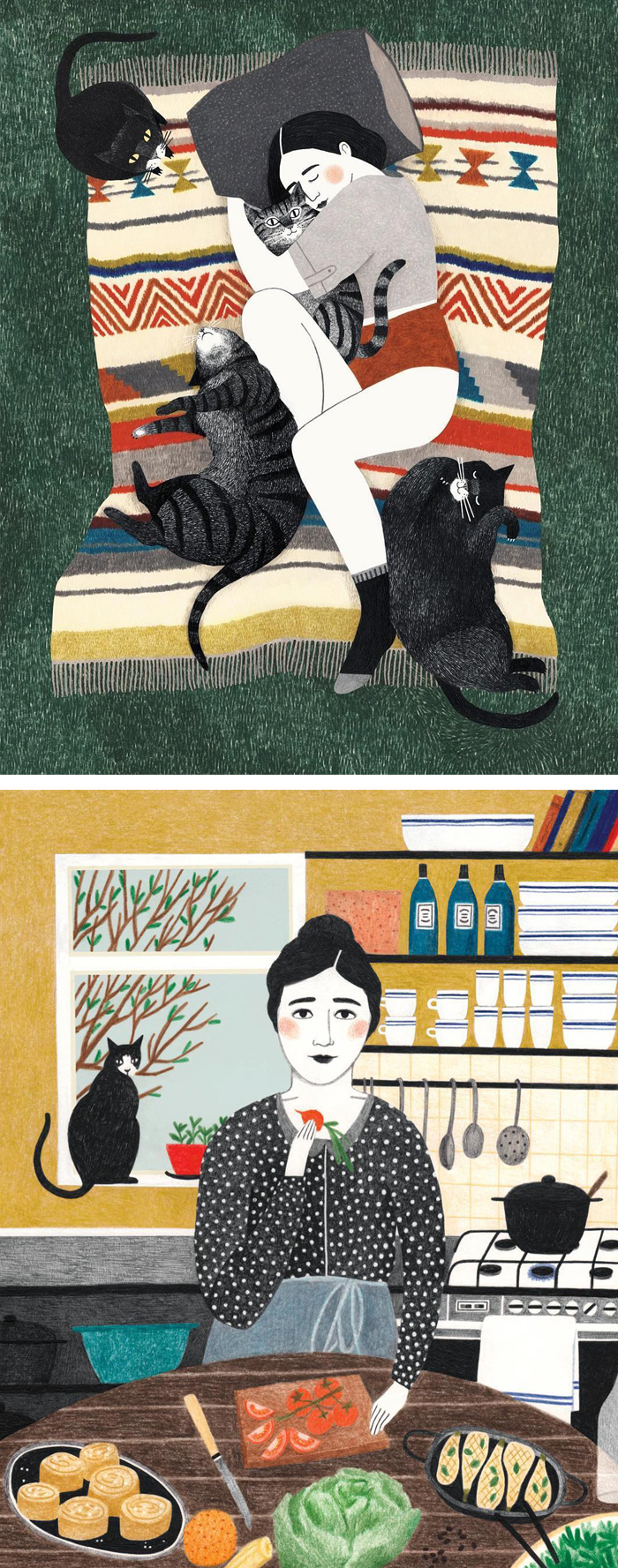
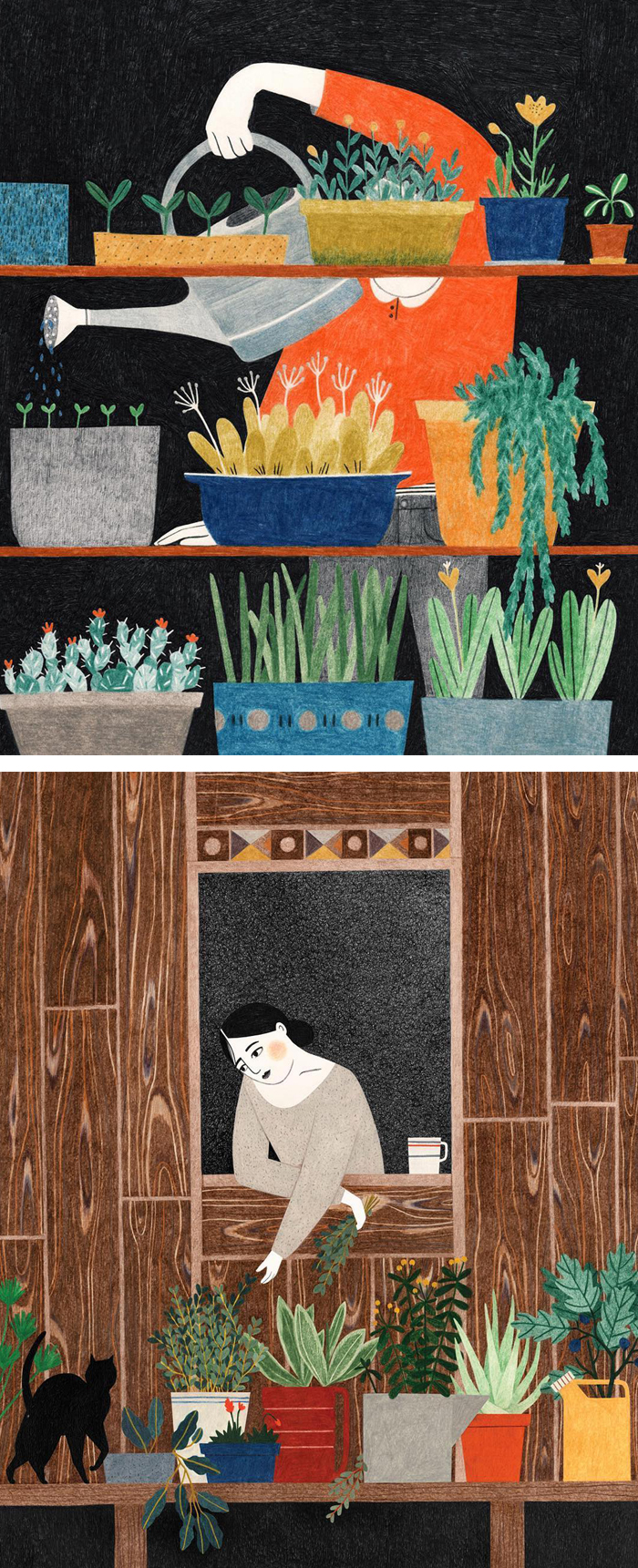
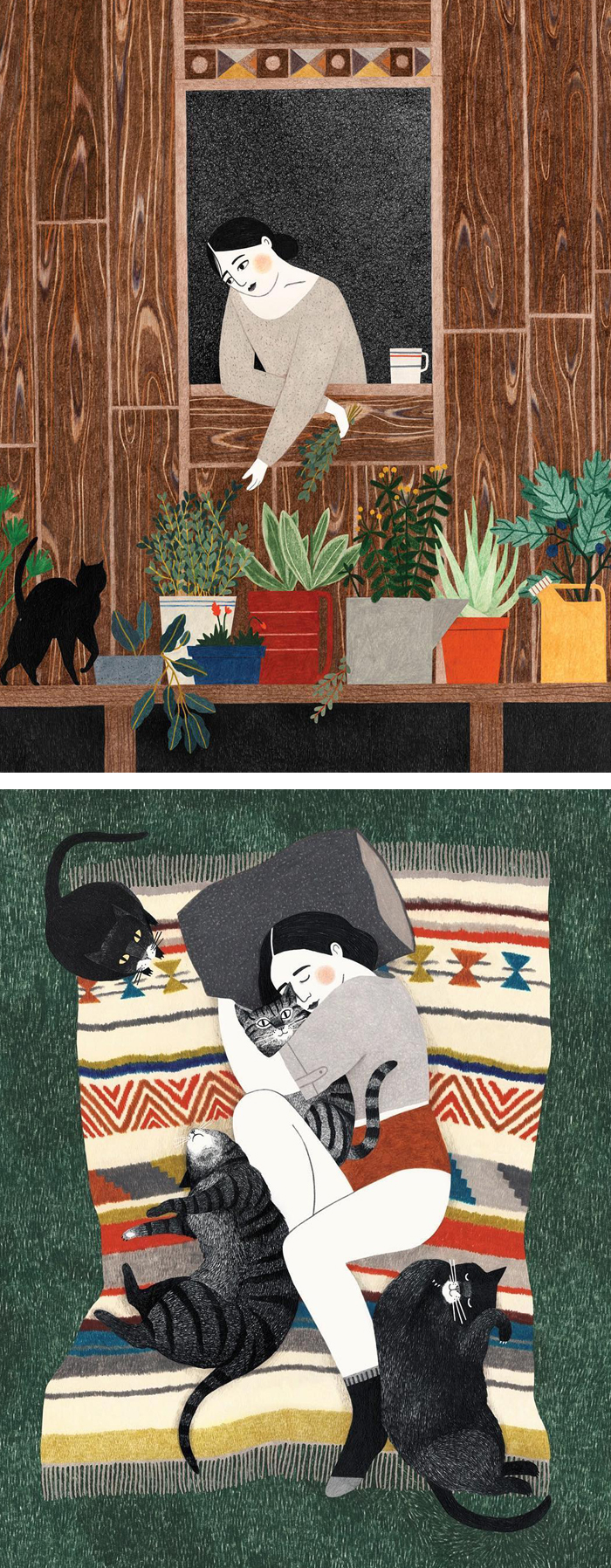
Illustration work by Lieke van der Vorst

Lieke van der Vorst creates detailed colored pencil illustrations of a quiet existence. From cutting vegetables in the kitchen to watering plants, the images highlight the simple beauty of everyday acts—ones that aren't glamorous but keep life moving. In their calm, they offer moments of serenity in the hustle and bustle of everyday life.

To inspire her illustration work today, Lieke thinks of her past. "Every summer," she writes, "my parents would pack up our De Waard tent and we would drive 13 hours to the Provence of France to camp among the lavender fields. It was these times in nature that have influenced my life and work the most."

Lieke sells her work as prints, bags, and cards through her online shop.

In her illustration work, Lieke van der Vorst highlights the simple beauty found in the seemingly mundane.

Illustration work by Lieke van der Vorst

Illustration work by Lieke van der Vorst

Illustration work by Lieke van der Vorst

Illustration work by Lieke van der Vorst

Illustration work by Lieke van der Vorst

Illustration work by Lieke van der Vorst

Illustration work by Lieke van der Vorst

Illustration work by Lieke van der Vorst

Illustration works by Lieke van der Vorst

Illustration works by Lieke van der Vorst

Illustration works by Lieke van der Vorst

Illustration works by Lieke van der Vorst

The post Colored Pencil Illustrations Highlight the Simple Beauty of Everyday Life appeared first on Brown Paper Bag.


----

Read in my feedly


Sent from my iPhone